


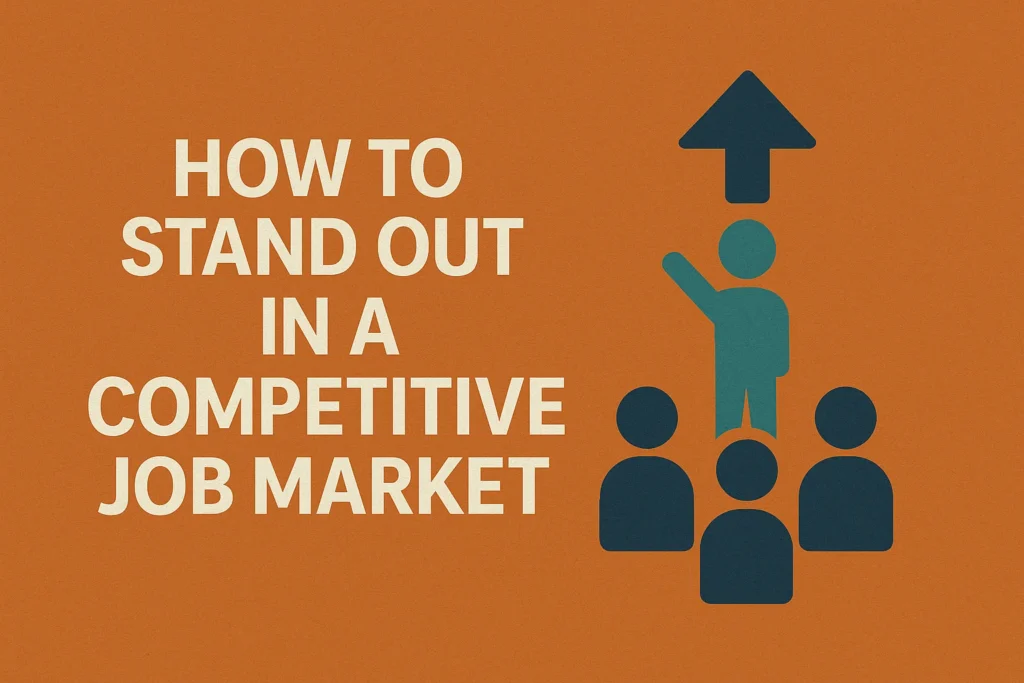
The job market in 2025 is more competitive than ever. With a global workforce, remote-first hiring, and AI-driven application screening, getting noticed by recruiters is no longer just about meeting the basic requirements — it’s about making a lasting impression. Whether you’re applying to startups, tech giants, or international firms, you need to go beyond the resume and truly stand out.
But what does “standing out” really mean? It’s not about gimmicks or flashy tricks — it’s about authenticity, preparation, and a deep understanding of what employers are really looking for. This guide will walk you through proven strategies to differentiate yourself in a crowded job market — from your application to your interview.
1. Build a Strong Personal Brand
Today’s hiring managers don’t just read your resume — they Google you. Your online presence is part of your brand, whether you like it or not. Make sure your LinkedIn profile is up to date, your social media is professional (or private), and your personal website or portfolio — if applicable — clearly highlights your skills and accomplishments.
- LinkedIn headline: Use keywords related to your expertise.
- Summary section: Tell your story, not just your job titles.
- Featured section: Add media, certificates, or projects to showcase your value.
2. Tailor Every Application
Stop sending the same resume and cover letter to every job. Use the job description as a blueprint. Match their language, highlight the most relevant experience, and explain why you’re a fit for their company — not just the role.
Use tools like Jobscan or Resumeworded to check if your resume aligns with the posting. The more tailored your application, the more likely it is to pass through Applicant Tracking Systems (ATS) and land in front of a human.
3. Focus on Results, Not Just Responsibilities
Employers want to know what you achieved — not just what you were assigned to do. Whenever possible, use numbers to quantify your impact:
- Weak: Responsible for managing social media accounts
- Strong: Increased Instagram engagement by 42% in 3 months through targeted content strategy
Every bullet point on your resume should answer: “What was the outcome?”
4. Showcase Your Soft Skills (with Examples)
Technical skills can get your foot in the door, but soft skills help you stay. Employers highly value communication, adaptability, teamwork, and leadership. Don’t just list them — demonstrate them through stories or metrics.
For example, instead of saying “team player,” explain how you collaborated with a cross-functional team to meet a tight deadline or solve a major problem.
5. Use the STAR Method in Interviews
In behavioral interviews, vague answers won’t cut it. The STAR method — Situation, Task, Action, Result — helps you give structured, meaningful answers that show competence and clarity.
Example:
- Situation: Our sales numbers were declining quarter over quarter.
- Task: I was tasked with identifying the cause and improving conversion rates.
- Action: I ran a customer behavior analysis and revamped the pitch deck.
- Result: Closed deals increased by 28% in the following quarter.
6. Ask Insightful Questions
When the interviewer says, “Do you have any questions for us?” — that’s your time to shine. Asking strategic questions shows that you’re not just looking for a job, but the right job.
Some good examples:
- What does success look like in this role after 6 months?
- How do you support employee growth and development?
- What’s the biggest challenge your team is facing right now?
7. Follow Up — But Make It Meaningful
After the interview, always send a thank-you email. But don’t just say “thanks for your time” — remind them of a specific moment from the interview and restate your enthusiasm for the role. It shows attention to detail and strong communication skills.
8. Continue Learning and Upskilling
In fast-moving industries, skills can get outdated quickly. Investing in continued learning through online certifications, bootcamps, or even side projects demonstrates initiative and curiosity — two traits employers love.
Use platforms like Coursera, edX, or LinkedIn Learning to stay ahead of the curve. Add these certifications to your resume and LinkedIn profile to enhance credibility.
9. Network Authentically (Even If You’re Introverted)
80% of job openings are filled through networking. Reach out to former colleagues, connect with hiring managers on LinkedIn, or attend virtual events and webinars in your industry. Don’t just ask for a job — ask for insights or advice.
People are more willing to help than you think — especially if you approach them with genuine interest and respect.
10. Be Confident — But Not Arrogant
Confidence shows you believe in your value. Arrogance, however, turns people off. Stay humble, stay curious, and treat the interview as a two-way conversation. You’re not just trying to impress — you’re also evaluating if the company is right for you.
Final Thoughts: Be the Person They Remember
Standing out isn’t about shouting louder — it’s about speaking clearly, showing value, and being memorable. In a noisy job market, the candidate who prepares, personalizes, and follows through is the one who gets hired.
Start Your Journey Today
Browse open roles on 247CareerMate or explore our featured employers to find your next big opportunity. Let your job search begin with confidence — and strategy.